
Roofing lead costs
Roofing Leads Pay Per Lead: Cost Per Booked Job Guide
Calculate roofing lead cost per appointment and signed job, compare shared and exclusive offers, and check vendor terms before you buy.
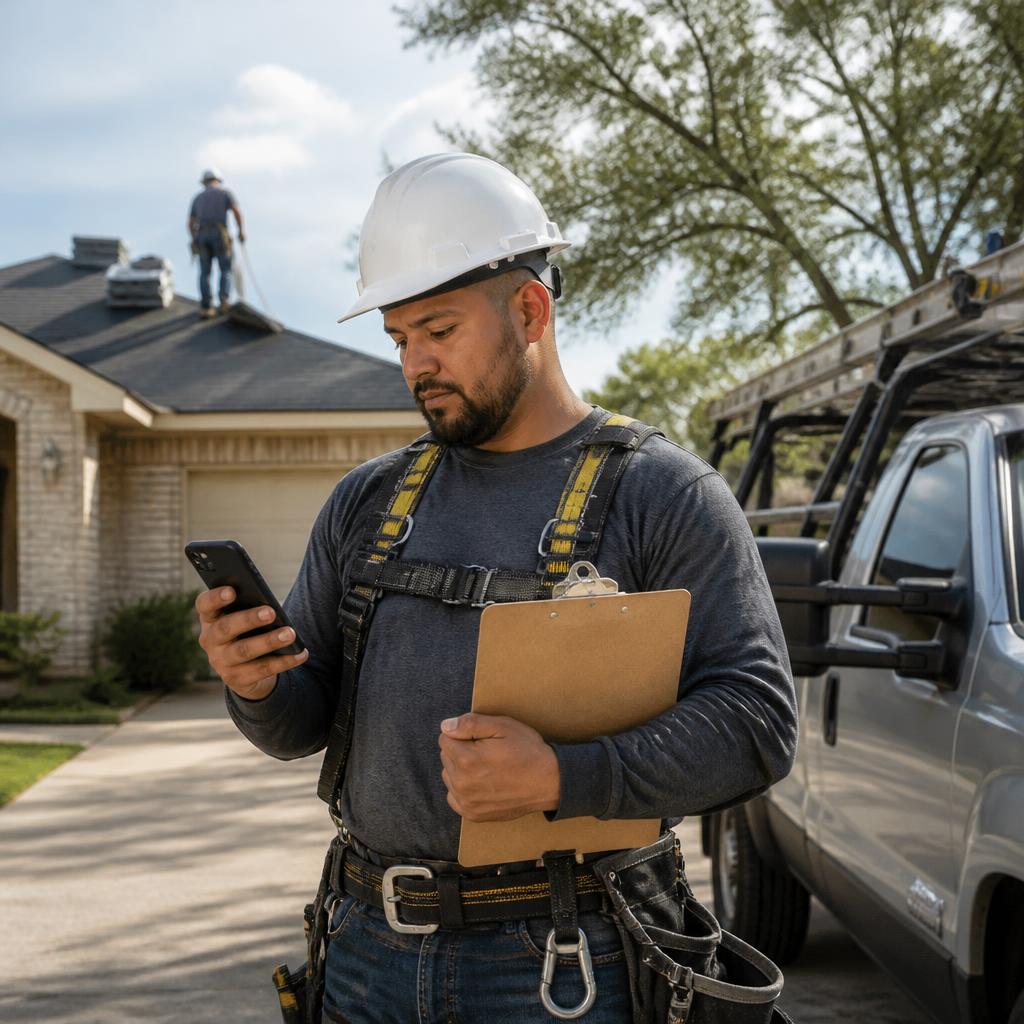
How does pay-per-lead pricing work for roofing?
A pay-per-lead provider charges when it sends a contact that meets an agreed definition. Depending on the program, the lead may be exclusive to your company or shared with other roofers. The invoice may also include a monthly minimum, platform fee or other terms, so calculate total charges rather than multiplying the advertised rate alone.
Different programs use different billing rules. For example, Google Local Services Ads explains how its valid-lead charges and budget limits work. A third-party lead seller may define a billable contact differently. Read that specific provider's definitions and dispute process before you compare its quote with another channel.
Shared leads may cost less per contact but place more businesses in the follow-up race. Exclusive leads may cost more while reducing that competition. Neither arrangement is automatically the better value: compare the outcomes your team actually gets.
What should a qualified roofing lead include?
Write a usable lead definition before starting a trial. At a minimum, ask the provider to document:
- Service area: the ZIP codes or boundaries you accept, plus how out-of-area contacts are handled.
- Project type: repair, replacement, inspection or another service you actually offer.
- Request and source: how the homeowner asked to be contacted and where the request originated.
- Contact details: which fields are supplied and what happens when a phone number or address is unusable.
- Lead age and sharing: when the request was made and how many businesses can receive it.
Do not assume that the word “exclusive” has the same meaning across providers. Ask whether it applies by territory, by time window, or only to a particular service, then put the answer in the order form or contract.
How do you calculate cost per booked roofing job?
First name the outcome. A scheduled inspection is not the same as a held estimate appointment, a signed contract or a completed, paid job. For a consistent comparison, define “booked job” in your records—for example, a customer who signed a work agreement—and report each earlier step separately.
Cost per outcome = total channel spend ÷ number of outcomes at that stage. Include lead charges and required fees. If you want a fully loaded figure, also assign the staff time used to qualify and follow up with leads.
Illustrative example — not a vendor benchmark
- 40 leads at $60 each: $2,400 in lead spend
- 30 reached: $2,400 ÷ 30 = $80 per contact
- 15 appointments scheduled: $2,400 ÷ 15 = $160 per scheduled appointment
- 12 appointments held: $2,400 ÷ 12 = $200 per held appointment
- 5 signed jobs: $2,400 ÷ 5 = $480 per signed job
These are made-up inputs to show the calculation, not expected roofing conversion rates. If your report uses “booked job” to mean a scheduled appointment instead, the example would be $160 per booking. Keep that definition visible so an inexpensive appointment is not mistaken for a signed sale.
To assess affordability, compare acquisition cost with the contribution left after direct labor, materials, subcontractors and other job-specific costs. Revenue alone is not profit. Set your own allowable acquisition cost based on overhead, cash flow and the work you can deliver.

Which lead terms should you confirm before buying?
Ask for the rules that determine both the invoice and your ability to challenge it. Confirm the lead definition, sharing cap, service-area match, project categories, delivery timestamp, minimum spend, contract term, cancellation date and any renewal clause.
Then ask what qualifies for a credit or replacement. Common cases to clarify include duplicate records, invalid contact details, a request outside your territory, or a person who says they did not submit the inquiry. Get the request window, evidence required, response time and any credit cap in writing. Do not rely on a salesperson's verbal description when the contract says something else.
Finally, confirm what data you can export after cancellation, how lead attribution works, and whether the same contact can be resold. Keep invoices, timestamps, call outcomes and dispute decisions together so the cost calculation can be audited later.
When might pay-per-lead fit better than other channels?
A paid lead program can be worth testing when your crew has room for additional work, the target service area is clear, and someone can respond consistently. It may be a poor fit if the provider's minimum exceeds your test budget, the lead rules are vague, or your team cannot complete estimates for the inquiries it already receives.
Compare the same stages across sources: spend, contacts reached, appointments held, signed work and completed jobs. Include the labor cost of handling each source. For a broader channel plan, see how to get roofing leads and decide when to buy; for contract and quote checks, read our roofing leads pricing and vetting guide.
Do not treat the lowest cost per lead as the winner. Use a trial with a fixed cap, a written stop date and enough follow-up time for the leads to mature. If the result is too small or too early to interpret, call it inconclusive rather than projecting a guaranteed return.
What happens after a roofing lead comes in?
Record the source and timestamp, assign an owner, make the contact attempt, and note whether an inspection was scheduled and completed. Once a customer is ready for an estimate, a clear scope and prompt follow-through still matter. Our roofing estimate guide covers documenting work before sending a quote.
FieldTech is field-service software, not a roofing lead seller. It does not provide leads or promise a conversion rate. Crews can use its voice-to-document workflow for draft job and invoice details after work is underway, then review the draft before sending it.
FAQ
There is no single rate that applies across providers, project types, service areas and sharing rules. Request the full quote and contract terms, then calculate your own cost per appointment, signed job and completed job.
It depends on the actual quote, number of recipients, lead quality and your follow-up results. Track each arrangement separately and compare cost per signed job rather than assuming one model always converts better.
Divide total lead-channel spend by the number of outcomes matching your written definition of a booked job. Track scheduled appointments, held appointments, signed contracts and completed work separately so the metric is clear.
A delivered contact is not a signed contract. Read any guarantee carefully to see whether it covers lead delivery, credits or a sales outcome, and verify the exact remedy in the written terms.
Further reading
Outside resources for context. Listing them isn't an endorsement, and product details change — check the current source.
- Roofing leads for sale: pricing and vetting
- How to get roofing leads and when to buy
- How to write a roofing estimate
All figures in this guide are illustrative assumptions, not benchmarks or reported earnings. This is general information, not accounting or tax advice.