
Roofing lead generation
How to Get Roofing Leads: Costs and When to Buy
Compare referrals, local discovery, outreach and paid roofing leads by all-in cost, then decide when a capped vendor test makes sense.

How can a roofing company get leads?
Start with the places local homeowners can find and verify your business: a complete Google Business Profile, a clear website, past-customer follow-up and referrals. Those channels still require time to maintain, and demand varies by location and season. None guarantees a particular map position or number of calls.
Google's local ranking guidance describes relevance, distance and prominence as factors in local results and recommends complete, accurate information. Follow the current platform rules: use your real business name, correct service details and genuine customer feedback rather than inventing locations or incentives.
For a roofing company, a useful first step is to list the service areas and project types you can reliably serve, then make those details consistent across your profile, website and estimate process.
Which roofing lead sources can you build yourself?
“Owned” does not mean cost-free. It means your team is building a channel rather than buying each contact from a lead seller. Include labor, travel, materials, software and any customer rewards in the accounting.
- Past customers: request honest reviews and ask whether they would like seasonal inspection reminders or information about related work.
- Referrals: make it easy for satisfied customers and local trade partners to pass along your contact details. Before offering referral compensation, check the rules that apply to your location and industry.
- Local profile and website: keep service areas, photos, contact details and project examples current. Track which channel a caller mentions rather than guessing later.
- Community outreach: canvassing and storm-response work may create conversations, but count crew time, travel, permits where applicable and follow-up. Respect posted no-soliciting signs and residents' requests to stop.
Give every source a label in your lead log. If you cannot tell whether an inquiry came from a referral, a profile, an advertisement or a vendor, your channel comparison will be unreliable.
How do paid roofing lead channels differ?
Paid options can include search advertising, Local Services Ads where available, social campaigns and third-party lead vendors. They have different billing and lead definitions. Some charge for clicks or impressions; others charge for contacts that meet their rules. Confirm eligibility, service area, dispute process and budget limits on the current platform before launching.
Google's Local Services Ads help describes its valid-lead billing and average weekly and monthly budget limits. A third-party seller may use different criteria, so do not apply Google's lead definition to another contract.
For each paid channel, report at least two numbers: cash spend per signed job and fully loaded acquisition cost after adding staff time. If a lead is not reached, keep it in the denominator when calculating cost per delivered contact, but do not count it as a customer.
When should a roofer buy leads?
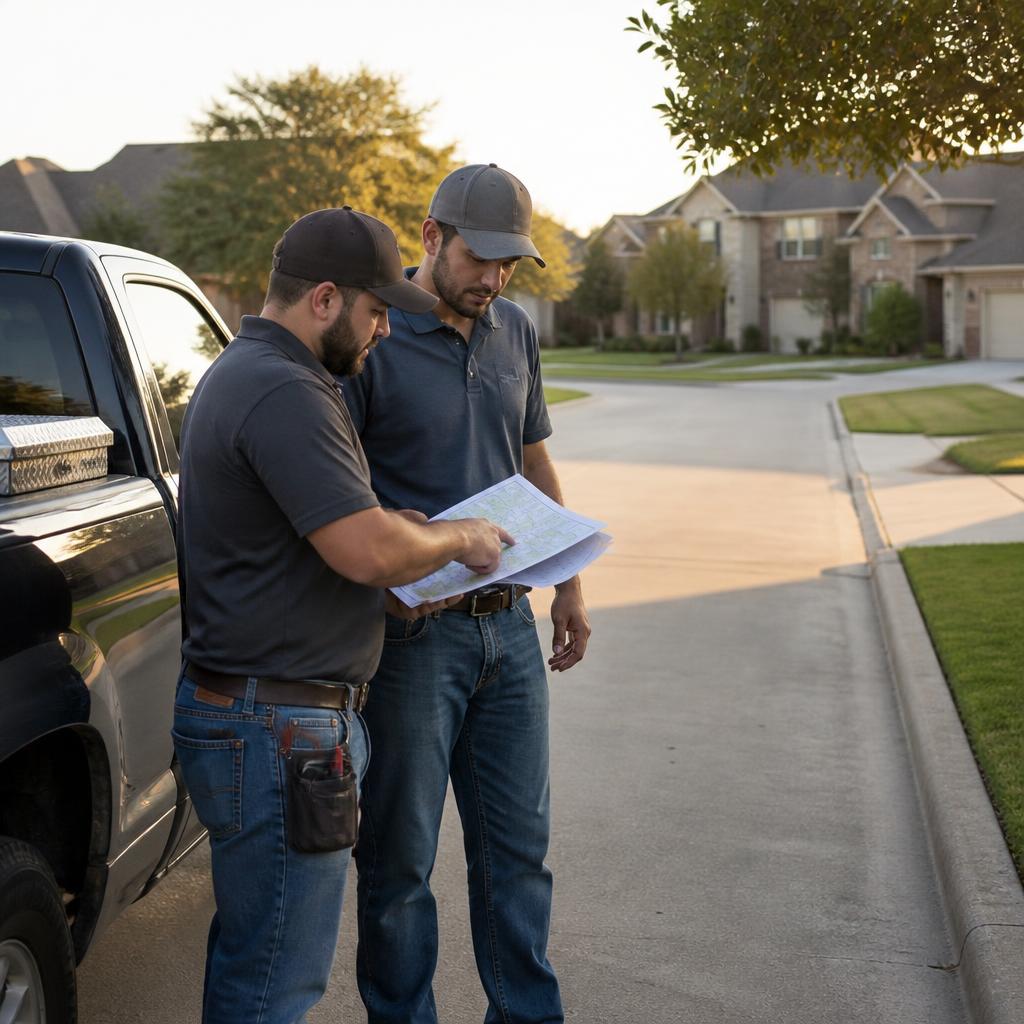
Buying may be worth testing when you have crew capacity, a defined territory, a clear service offer and a reliable way to follow up. It is less attractive when estimates are already delayed, the schedule is full, or the vendor will not explain where the contact came from and how it is shared.
Before you pay, confirm lead age, source, billable definition, sharing limits, geographic coverage, bad-lead credits, cancellation terms and data export. Our roofing lead pricing and vetting guide includes a vendor question list. Then compare actual cost per signed job with the worksheet in our cost-per-booked-job guide.
Aged or recycled contacts require extra care: ask when the homeowner submitted the request, whether it was sold before, and what permissions cover the planned outreach. Set your own response standard and stop the test if the contacts are not appropriate or the written terms do not match the pitch.
How do you compare roofing lead costs fairly?
Choose one outcome and a consistent cost rule. For example, report channel spend per signed contract, then separately report spend per completed and paid job. Include the staff time spent on prospecting, callbacks, inspections and estimates if you want a fully loaded comparison.
A simple channel worksheet
- Source and campaign
- Cash fees, advertising and materials
- Staff hours × the labor cost you assign
- Inquiries received and contacts reached
- Appointments held, contracts signed and jobs completed
- Total acquisition cost ÷ completed jobs
Compare only cohorts that have had a reasonable chance to move through your sales cycle. A recent batch with open estimates should be marked pending, not treated as a failure or a sale. Keep the same definitions across sources and show the sample size beside every rate.
How do you keep a roofing inquiry from getting lost?
Log the inquiry, source and time; assign follow-up; record the project details; and make sure an estimate reaches the homeowner with a clear scope. Our roofing estimate guide covers what to include in a quote. Review your paperwork and follow-up process before adding more lead volume.
FieldTech is not a lead-generation service. It helps field crews prepare draft job and invoice documents from voice notes after an inquiry becomes work; the contractor remains responsible for reviewing and sending each document.
FAQ
There is no cheapest source for every company. A business profile, referrals or past-customer outreach may have low cash costs but require staff time. Compare all-in cost per signed and completed job using your own records.
Only after confirming it can respond, estimate and complete the work, and after the vendor's source, age, sharing, credit and cancellation terms are clear. Start with a capped test rather than assuming a lead will become a job.
An unpaid Business Profile is different from a paid Local Services Ads campaign. Keeping a profile accurate takes time, and paid placements have their own eligibility, budget and billing rules. Check Google's current guidance for each product.
Treat aged leads as a separate test. Verify the original request date, source, prior sharing, contact permissions, price and credit terms, then compare the results with fresh leads and your owned channels.
Further reading
Outside resources for context. Listing them isn't an endorsement, and product details change — check the current source.
- Roofing leads pay per lead: cost per booked job
- Roofing leads for sale: pricing and vetting
- How to write a roofing estimate
All figures in this guide are illustrative assumptions, not benchmarks or reported earnings. This is general information, not accounting or tax advice.